Why Attending Professional Development Events Are Always Worth Your Time | By Porsha Osborne
Altasciences©
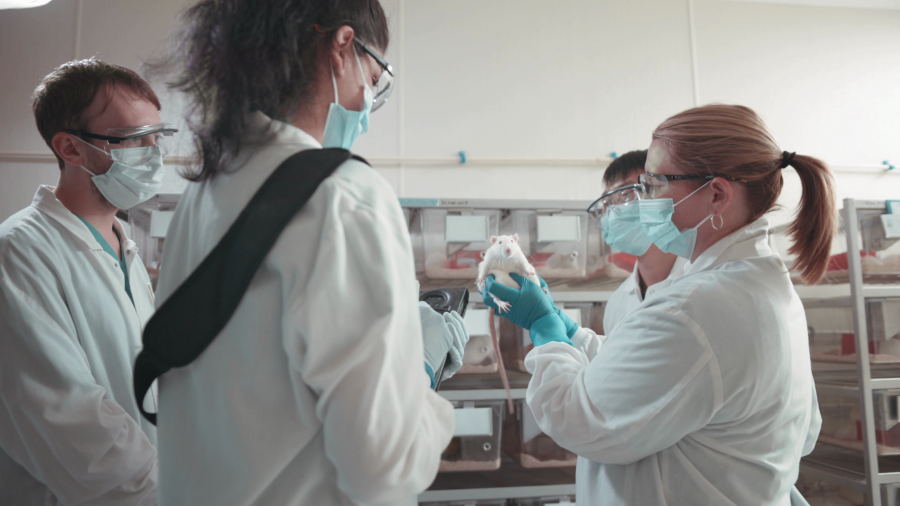
Let’s be honest: working in surgical research is no small feat. Between mastering technical skills in nonclinical research, keeping up with evolving practices, maintaining meticulous records, and making sure every detail is just right, there’s plenty to keep us busy. And while coffee may be an unofficial member of every research team, it can’t replace continued education, professional development, or the wisdom of someone who has already figured out that one tricky technique you’ve been working on.
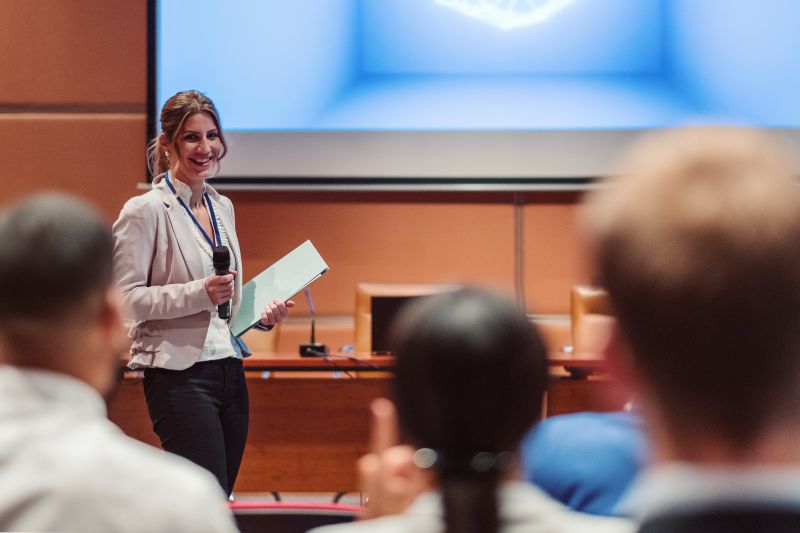
That’s one reason I appreciate events like those hosted by the Academy of Surgical Research (ASR). I recently attended their 42nd annual meeting in San Diego and found so much value. For me, the annual meeting is more than just a few days away; it’s an opportunity to learn, connect, exchange ideas, build confidence, and return to work with fresh insights—and perhaps a few new friends who understand your day-to-day.
Over the years, I’ve come to see events like this as something worth making time for, and even a yearly professional priority. Here are a few reasons why participating in communities like ASR has meant so much to me.
Skills Deserve an Annual Tune-Up. No Socket Wrench Required
You wouldn’t expect a research team to use the same techniques forever without ever learning anything new. Surgical research is an evolving field, and staying current is essential. That’s why I value opportunities to “tune up those skills” at events like ASR, through scientific presentations, workshops, hands-on wet labs, roundtable discussions, and poster presentations.
These meeting have given me a chance to explore new approaches, discuss challenges, and learn from professionals with different backgrounds and areas of expertise. Whether refining a surgical procedure or improving sample collection techniques for pharmacokinetic studies. I’ve seen how these experiences help develop practical skills that can make a real difference in the way we approach each program.
After all, there’s a difference between hearing someone explain a technique and having a safe space to practice it, ask questions, and learn from experienced instructors. And so, I was able to return to Altasciences with fresh ideas, stronger skills, and practical knowledge I can apply to the studies we support.
Networking: Because Google Can’t Answer Everything
We all understand the power of an internet search. It’s fast, convenient, and usually available at 2 a.m. when you suddenly remember something you meant to look up earlier. But sometimes, the best answer comes from peers and professionals who have been there, done that, and lived to tell the tale.
One of the things I love about professional meetings like this is connecting with colleagues from across the surgical research community. Scientists, veterinarians, technicians, anesthetists, surgeons, and other professionals can all bring different perspectives to the table. I love that conversations can range from challenging procedures to how other institutions approach sample collection for bioanalysis. The person sitting next to you might have the answer—or know someone who does.
For me, it’s not just collecting business cards; my colleagues and I were able to foster a community of people who understand what we do, and how we can do it better. I’ve been so lucky to discover that admired professional contacts turn out to be people that I would happily grab dinner with outside the conference room. Some of which have even become close friends. Networking doesn’t have to feel like networking!
Certification: More Than Letters After Your Name
For me, certification is another way to keep developing professionally and demonstrate expertise. For sponsors,  having certified professionals supporting their nonclinical studies can also provide added confidence in the team’s qualifications and commitment to consistent practices and high-quality research.
ASR, for example, offers three professional certification pathways: Surgical Research Anesthetist (SRA), Surgical Research Technician (SRT), and Surgical Research Specialist (SRS). Each certification recognizes specific knowledge, skills, and professional responsibilities within surgical research. I personally have completed all three levels of certification, having received my SRS in 2017.
Of course, certification isn’t a magic wand. It won’t make your inbox disappear, prevent unexpected challenges, or convince your instruments to organize themselves. But it is a meaningful professional achievement—and one worth working toward. If you’re preparing for an ASR certification exam, the annual meeting is particularly important: it is where the Academy currently offers its certification examinations.
Each test has its own specialty focus, which drove me to truly know the material I was using in my everyday profession. The tests are hard, but they make you truly feel like you have accomplished something when you pick up your letter of certification.
The Professional Community Doesn’t End When the Meeting Does
One thing I’ve especially appreciated is how the connections I make at ASR carry on long after the annual meeting ends—allowing me to stay connected, continue learning, and engage with other professionals who share an interest in advancing surgical research. It’s like having a professional support system that doesn’t disappear when the conference badges come off.
It also creates opportunities to give back. Whether it’s an experienced professional sharing their own years of practical knowledge or a newer team member asking questions and learning from others, I feel like my perspective has value.
Being certified through ASR has made me a better trainer for my team. Having more in-depth knowledge gives a more thorough education about the “why’s” when explaining things like anesthesia and patient monitoring during surgery. Having a highly skilled team with a deeper understanding of the “why’s” can better support a broad range of surgical procedures.
Continuing Education Without the Guesswork
Professional development doesn’t stop once we have mastered a technique or earned a certification. The best professionals remain curious, ask questions, and look for ways to improve. Professional communities bring education and expert exchanges together in one place, and, in my experience, the Academy offers educational opportunities throughout the year, including webinars and other resources for continued learning. For certified professionals, these opportunities can help support continuing education requirements.
The Bottom Line: Learn, Connect, and Keep Growing
I’ve learned that networking events like this shouldn’t just be something to attend when the schedule allows and approximately seventeen other things haven’t suddenly become urgent. For me, attending annually offers something a one-time visit cannot: continuity. Every year has brought me so many opportunities to reconnect with colleagues, meet new professionals, revisit familiar topics with a new and fresh perspective, and explore new developments in the field. Sometimes I think we can all get a little stuck in the day to day. But I believe the best way to improve your work is to step away from your usual environment, listen to new perspectives, and return with a fresh outlook. Getting out of the office or lab for a few days is a nice perk, too.
The ASR annual meeting is one of several industry events that have inspired me to invest in myself, my career, my colleagues, and the future of surgical research. Certification recognizes professional knowledge and competency, and membership keeps you connected to a community committed to continued education, collaboration, and high standards. Together, these opportunities help create a stronger, more knowledgeable, and better-connected team supporting the quality of nonclinical studies to ultimately inform clinical research.
I’ll keep making time for these experiences, asking questions, and sharing what I learn. And never underestimate the value of learning something new from someone who understands your work. Because the best investment you can make in surgical research is an investment in the people who make it happen. And if that investment comes with great conversations, a few laughs, and the occasional cup of conference coffee? Well, that’s just good science with a side of caffeine!
About the Author
Porsha Osborne, A.A.S., LATG, SRS, SRT, SRA, is a Scientific Advisor for surgical services and model development at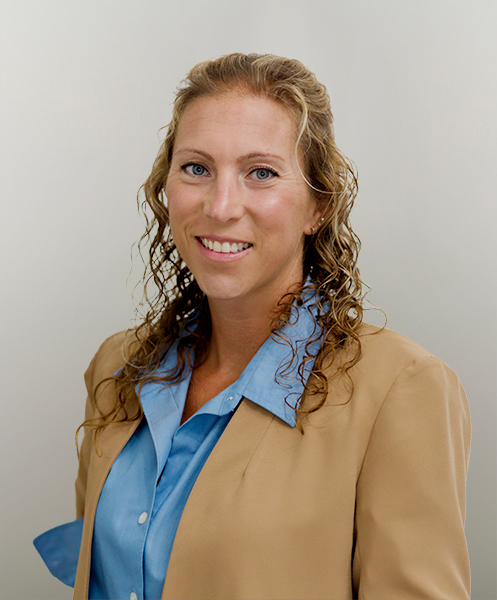 Altasciences. With more than 20 years of experience in nonclinical research, surgical sciences, and laboratory animal medicine, she specializes in surgical model development, anesthesia management, operative techniques, and study design across multiple species.
Throughout her career, Porsha has supported the advancement of translational research by collaborating with sponsors, scientists, veterinarians, and regulatory teams to develop scientifically rigorous and operationally effective preclinical programs. She has played key roles in refining surgical procedures, developing standard operating procedures, training technical staff, and advancing animal welfare and research quality standards.
A certified trainer and contributing author on scientific posters focused on surgical and disease models, Porsha is passionate about innovation in nonclinical surgery, model development, and the successful translation of research from discovery to clinical application.