The Efficacy of Fear: How Clinical Trials Gave Me Life | Michelle Newby
I was born in March 2018. You wouldn’t be able to tell by checking my birth certificate or DVD collection, but that’s when I got my new immune system—the day I got my brother’s stem cells. It may not be my actual day of birth, but it is celebrated just the same. Science gave me a new lease on life.
I was 25 when my life completely changed. The week before Christmas 2017, I learned I had two types of leukemia: chronic myeloid and acute lymphoblastic. The prior caused the latter, and I was diagnosed at stage three, meaning that more than 33% of the cells composing my blood and bone marrow were cancerous. Before diagnosis, I had been suffering from vertigo, intense side pain (my spleen had tripled its size), and breathlessness due to a decrease in my red blood cell count.
My oncologist gave me two options: Hyper-CVAD (the standard chemotherapy treatment) or a new clinical trial. This trial was a novel regimen spearheaded by my doctor. At that time, I had no experience in medicine or the pharmaceutical world. Despite being terrified, the choice was clear: I decided to trust science and enrolled.
Treatment, Fear, and Survival
During my first round of chemotherapy, fear ripped through me. I couldn't stop crying, frightened by the unknown, and the strict set of rules I had to adopt to support my newly neutropenic lifestyle. Life, as I once knew it, would never be the same.
I had no idea what my future would hold, if I were fortunate enough to have one at all. At this point, I had no immune system, and even catching the common cold would kill me; a reminder of just how fragile my body had become. But, after reviewing bone marrow aspirate results following the first round of chemo, everything changed.
A single course of treatment had decreased the level of diseased cells in my body to less than 1%. The gene mutation responsible for my cancers responded exceptionally well, and instead of four rounds of chemo, I only needed three! This trial didn’t just help me; it worked almost immediately.
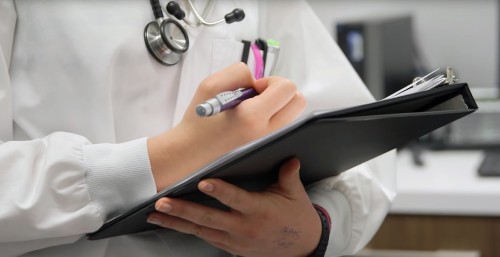
Next came a stem cell transplant, followed by a grueling year of acclimating my newly gifted immune system. Despite the rapid initial success, I had a long road of healing ahead.
The treatments tore my body apart, breaking and rebuilding me in brutal ways; bone marrow aspirations, lumbar punctures with intrathecal chemo, and total body irradiation (equivalent to millions of X-rays). The chemo attacked fast-growing cells, which left me with mucositis, nausea, and alopecia. Everything had been wiped clean.
The Patient Experience
My body healed, but slowly. Doctors warned me that I would face significant threats of developing other types of cancer later in life due to the very treatments that saved me. But those sobering risks are why I encourage conversations about clinical trials.
Clinical trials are not abstract experiments in a distant laboratory, but a process of constant discovery and refinement. They build the bridge between what we know and what we can do to make things go gentler, smarter, and kinder for the people who need them. They affect everyone directly.
For me, a clinical trial shortened my chemotherapy and put me back into the world sooner than expected. For others, trials may spare patients harsh treatments and long-term risks of secondary cancers. If we can find alternatives that target disease with less collateral damage, we can reduce the reality of secondary malignancies, cancer caused by cancer treatments.
Clinical Trials and My Second Life
My experience not only extended my time on Earth but drove me to uncover a new career path. I wanted to find a way to participate in the types of research that saves lives, including my own.
I wanted to be part of the engine that moves treatments forward, contribute to the personalization of the process for patients, and understand the relevance of preclinical and clinical research and how it connects us. After all, making it personal is part of the treatment.
My cancer was a complex and intense experience, but what gives me hope is the possibility of curing not only the disease, but the lifetime of fear that comes along with it. That ever-present worry that all cancer survivors carry. That fear is real, and it compounds every decision survivors make.
Cancer taught me how fleeting a “normal life” can be; it taught me to take day trips, to get beignets on the weekend, to hike with my dogs, and not postpone the small joys that life has to offer.
My most sacred takeaway: life is for living. Cancer gave me the perspective to truly do that—and that’s why I do what I do.
I was eager to apply as a study coordinator at Altasciences, and having explored different roles in my four years at the company has taught me about the many hands and disciplines involved in drug development. CROs are powered not only by the brilliant scientists designing molecules, but by coordinators detailing final reports, nurses caring for patients in trials, and data managers making sure we truly understand the results. The collaborative efforts of these individuals moving in unison to help get better drugs to the people who need them, faster. I get to be one of those hands now.
I try to make the environment where we conduct our studies more humane for the participants who come after me. I can’t promise that fear will subside or that every trial is a shortcut to remission. But I can contribute to the ease of understanding, accessibility, and connectivity to those directly impacted.
Every morning, I wake up because of a clinical trial. I was given a second life because people in the clinical space were willing to try something new. If my story can make one less person afraid to ask questions, to enroll in a study, or to push for better options, then the science that saved me will have done what it was meant to do: it will have given life back to living.
About the Author
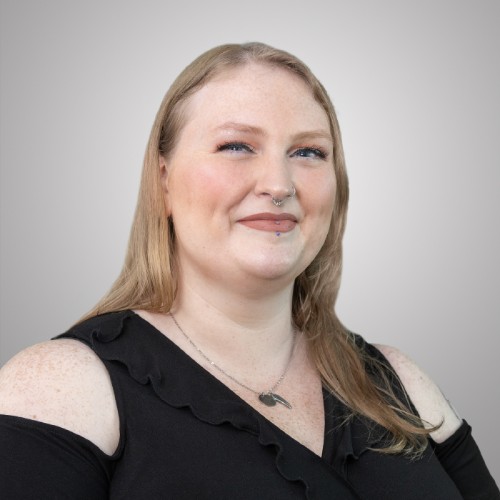
Michelle Newby is a Report Writer at Altasciences, working in compliance with SOPs, GLP, and GCP guidelines. Inspired by her personal experience with clinical trials, she joined the company in 2021 as Clinical Study Coordinator, Trials, supporting study documentation, data review, and milestone tracking across preclinical programs. Michelle is based in the Greater Seattle area.
