First-Timer Perspectives on Attending the AALAS National Meeting, by Brandon Ossont and Jennifer Lakritz

The 76th annual American Association for Laboratory Animal Science (AALAS) National Meeting is a cornerstone event for the laboratory animal science community, bringing together researchers, veterinarians, technicians, and industry partners to share knowledge, innovations, and best practices. In this blog, Brandon Ossont, Associate Ophthalmology Specialist, and Jennifer Lakritz, Clinical Veterinarian, share their key takeaways, scientific insights, and personal experiences from the conference.
Brandon Ossont’s Insights
For me, 2025 was a year of notable “firsts” at Altasciences: it was my first time presenting research outside of academia, my first trip to the West Coast, and my first experience attending the AALAS National Meeting. Thanks to the support and encouragement of our ophthalmology team in Scranton, PA, I was given the opportunity to submit, and ultimately be selected, to present our work at the 76th National Meeting in Long Beach, CA. For someone like me, that is used to spending November on the East Coast, the California sunshine felt like a welcome backdrop to a week full of learning and collaboration.
Industry-Wide Perspective: Why AALAS Matters
The AALAS National Meeting is one of the few gatherings where researchers, veterinarians, technicians, and industry partners all come together to share insights that shape the future of laboratory animal science. It fosters open conversation around refinement strategies, model development, procedural innovation, and emerging technologies; all areas that directly influence both scientific rigor and animal welfare.
This year’s sessions highlighted some of the field’s most exciting directions, from AI-assisted analytics to advances in enrichment-driven behavior studies, surgical refinement, and non-aversive handling techniques. It was clear to me that our industry is evolving rapidly, driven by collaboration and a commitment to continual improvement.
Scientific Highlights and Emerging Trends in Animal Science
The conference offered an impressive range of scientific content. One of the talks that stood out most to me was marine biologist Dr. Chris Lowe’s lecture on the challenges of studying large sharks and rays in the field. Dr. Lowe’s lecture served as a fascinating reminder of the breadth and interdisciplinary nature of animal science.
Presenting at AALAS: A Professional First
One of my personal highlights was presenting our poster, “Evaluation of Formulation pH Tolerability in New Zealand White and Dutch Belted Rabbits Post-Intravitreal Administration.” Sharing our work with peers who understand the nuances of ophthalmic models sparked insightful questions and meaningful discussion. It was incredibly rewarding to contribute to broader conversations around ocular research, especially at my first national meeting.
I also want to extend congratulations to Dr. Megan Haney (Director, Veterinary Services, Altasciences) for her excellent poster presentation, “Pharmacokinetic Study of a Long-Acting Transdermal Buprenorphine in Four Strains of Miniature Swine.” It was inspiring to see our team’s work represented across different specialties and to celebrate the diverse expertise that Altasciences brings to the field.
The Power of Connection
Science aside, human connections were one of my favorite aspects of the event. AALAS gave me the chance to connect in person with colleagues from other Altasciences sites. Swapping stories, sharing challenges, and offering insights into our day-to-day work was incredibly energizing.
Whether we were unpacking poster sessions or searching for the perfect fish taco in Long Beach (a mission we took very seriously), those moments were just as memorable as the conference itself.
My first AALAS National Meeting was a blend of inspiring science, meaningful professional growth, and genuine connection. I returned home feeling energized by the innovation happening within our field, and by the collaborative spirit shared across Altasciences.
Jennifer Lakritz’s Insights
Like Brandon, this was also my first time attending AALAS, and what I discovered was an entire community dedicated to the same mission, to advance responsible laboratory animal care and use to benefit people and animals. The conference offered continuous lectures, covering everything from husbandry management to pioneering microsurgeries—they truly had it all. I was impressed not only by the wide range of topics but also by the many opportunities to network.
One of my favorite parts of the conference was the exhibition hall. A dedicated team from each company worked tirelessly to showcase new and improved products. In addition to the vendors, numerous research posters were displayed, allowing attendees to learn about ongoing projects from academic institutions, CROs, biotechnology companies, and other industry organization. This was especially helpful when two lectures I was interested in occurred at the same time; I could still familiarize myself with the content I missed.
In summary, AALAS was an educational, vibrant, and positive experience that I would recommend to anyone in the laboratory animal field. The lectures cater not only to veterinary staff, but also to board members, animal tracking personnel, and husbandry management teams.
Conclusion
Both Brandon and Jennifer’s experiences highlight why AALAS remains a key event for the laboratory animal science community. From scientific innovation and emerging trends to professional development and networking, the conference offered rich opportunities to learn, share, and connect. Their reflections underscore the value of attending national meetings, like AALAS, for both individual growth and the broader advancement of the field.
Leading up to a preclinical study? Get in touch to see how we can help.
About the Author: Brandon Ossont
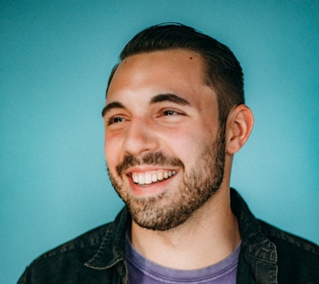
Brandon Ossont joined Altasciences in 2022. As an associate ophthalmology specialist under the direction of Dr. Simone Iwabe, he supports the full range of ophthalmology operations, including ocular examinations, fundus photography, optical coherence tomography, electroretinography, and surgical procedures, at our preclinical facility in Scranton, PA. Brandon works closely with research teams to ensure high-quality data collection and contributes to the execution of preclinical ophthalmic studies.
Connect with Brandon on LinkedIn
About the Author: Jennifer Lakritz
Jennifer Lakritz is a clinical veterinarian at Altasciences’ preclinical site in Seattle, Washington, where she has been practicing since January 2025. She grew up in Wisconsin with a lifelong love for animals, which guided her path into veterinary medicine. Jennifer completed her undergraduate studies
at the University of Minnesota and earned her veterinary degree from Ross University School of Veterinary Medicine. In addition to her work at Altasciences, she has experience running her own veterinary practice, giving her a well-rounded perspective on animal care. She is passionate about advancing laboratory animal medicine and ensuring high standards of welfare. Outside of work, Jennifer enjoys exploring the outdoors, spending time with her family, and relaxing with her dog.