Inside the Minds of Our Nonclinical Experts: Q&A With Julie Forget, Senior Director of Safety Assessment
With 22 years of experience in nonclinical research, Julie Forget, Senior Director of 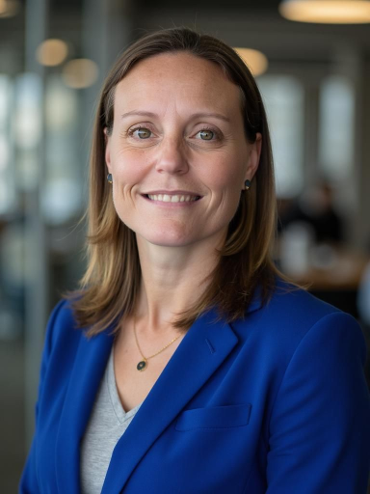 Safety Assessment, brings extensive expertise in toxicology, study design, and nonclinical development strategy, from early discovery through IND/NDA-enabling studies.
Leading a team of study directors, Julie provides scientific leadership and oversight for safety assessment programs, helping sponsors navigate complex scientific challenges, and develop effective study strategies. We spoke with Julie about how nonclinical drug development has evolved over her career, the importance of early scientific guidance, and how staying curious and adapting to unexpected findings can help sponsors navigate increasingly complex therapeutic modalities. Here’s what she had to say.
Q. What inspired you to pursue a career in nonclinical drug development?
The opportunity to combine my scientific curiosity with a meaningful impact on the development of new therapies. I’ve always enjoyed understanding not only whether something works, but also how it works, what the potential risks are, and how we can design studies to answer those questions effectively. What keeps me motivated is knowing that the work we do in nonclinical development helps build the scientific foundation for promising therapies to move forward safely into clinical development.
Q. What's one thing every sponsor should do before starting a nonclinical program?
Start with the end goal in mind. Before initiating a nonclinical program, it’s important to clearly understand what the program needs to support, whether that’s candidate selection, first-in-human development, an IND/CTA, or a later clinical milestone. Having that perspective helps ensure alignment early in the process, from species selection and dose levels to endpoints, biomarkers, exposure assessments, and study timing. The goal isn’t just to complete studies; it’s to generate the right data to support the next decision.
Starting with the end goal also helps avoid a common misconception that a standard nonclinical package can simply be applied to every program. There are certainly established regulatory frameworks, but the science still has to drive the strategy. With newer modalities, in particular, two therapies may require very different approaches.
Q. How has nonclinical drug development changed over the course of your career?
One of the biggest changes I’ve seen is the diversification and increasing complexity of therapeutic modalities. Earlier in my career, nonclinical development tended to follow more established approaches, particularly for small molecules and traditional biologics. Today, we are working with increasingly sophisticated modalities such as oligonucleotides, siRNA, mRNA therapeutics, gene therapies, gene-editing technologies, antibody-drug or antibody-oligonucleotide conjugates, and novel delivery systems such as lipid nanoparticles.
These modalities have really changed how we think about nonclinical development. There is no longer a one-size-fits-all approach. We have to understand the mechanism of action, delivery platform, tissue distribution, duration of activity, pharmacology, potential on- and off-target effects, and species relevance to determine what an appropriate safety assessment program should look like.
Q. What emerging trends or technologies in drug development do you believe will have the greatest impact over the next few years?
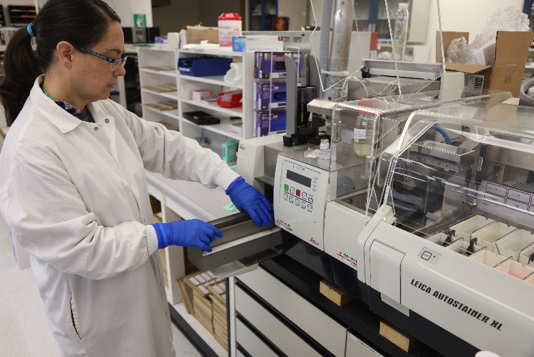
I believe one of the biggest trends will continue to be the growth and diversification of advanced therapeutic modalities. I also think more predictive and translational models will have a significant impact. Technologies, such as organoids, organ-on-chip systems, advanced in vitro models, and computational approaches have the potential to complement traditional models and help us make better decisions earlier in development.
Ultimately, I think the future will be about integrating these technologies rather than relying on any single approach, using the right combination of models and data to answer the scientific question and build a strong, relevant safety assessment strategy.
Altasciences©
Q. Can you share an example of how early scientific guidance changed the course of a development program?
I’ve seen several situations where a sponsor came to us with an established plan, but as we started discussing the mechanism, species relevance, exposure, endpoints, and clinical strategy, we identified ways to strengthen their approach. Because those conversations happened early, we were able to make meaningful changes before significant time and resources were committed.
That’s really the value of engaging scientifically early in a program. It’s much easier to ask the difficult questions while you’re designing the studies than to discover a gap later and need to generate additional data. Ultimately, it leads to a stronger scientific package and puts the program in a better position for its next development milestone.
Q. What's one skill you've developed over your career that isn't taught in textbooks?
I would say learning how to navigate uncertainty. In nonclinical drug development, particularly with newer modalities, you don’t always have a precedent or a textbook answer. You may have an unexpected finding, an unfamiliar mechanism, or a study that doesn’t go exactly as planned. Unpredicted findings don’t necessarily mean the program has failed. Sometimes they simply mean that we need to ask a different question.
Over time, I’ve learned to be comfortable in that space, to look at the science objectively, bring the right experts together, and make thoughtful decisions based on the totality of the evidence rather than reacting to a single data point.
Q. What's been the most rewarding moment of your career so far?
One of the most rewarding aspects of my career has been watching people I’ve mentored grow into confident, independent scientific leaders. Knowing that I played a small part in a study director taking ownership of a challenging program, navigating an unexpected finding, or confidently providing scientific guidance to a client is incredibly fulfilling, and hopefully they will, in turn, mentor the next generation of scientists.
Q. What's something you're still curious to learn after all these years in science?
I’m still curious about almost everything that challenges what we think we know. Gene editing, RNA-based therapeutics, and increasingly targeted delivery technologies are allowing us to manipulate biology in ways that would have been difficult to imagine earlier in my career.
With each advancement comes a completely new set of scientific questions. That’s what I love about science, you can spend an entire career in the field and still be surprised by the data.
Q. What personal hobbies or interests might surprise your colleagues?
I really enjoy home renovation and design. I love the combination of creativity and problem-solving, and there’s something very satisfying about being able to see the finished result. I can easily get caught up in researching paint colors, furniture styles, tiles, or testing different materials. I suppose there’s still a little bit of the scientist in me, because I tend to research everything before making a decision!
Conclusion
As nonclinical drug development evolves, Julie’s insights highlight the importance of early scientific planning, collaboration, and flexibility in navigating increasingly complex therapeutic programs. By aligning study designs with development objectives, interpreting unexpected findings in context, and adapting strategies to the unique requirements of newer modalities, sponsors can make more informed decisions, avoid unnecessary studies, and advance promising therapies with greater confidence.
Whether you are planning a single safety assessment study or developing a comprehensive nonclinical strategy, our experts can provide the scientific guidance and support needed to reach your next development milestone. Get in touch for more information.