Inside the Minds of Our Nonclinical Experts: Q&A With Norbert Makori, Vice President of Toxicology
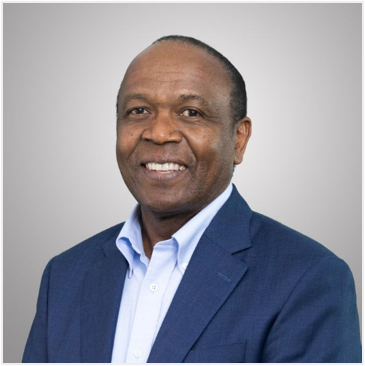
Vice President of Toxicology
With 25 years of experience in nonclinical research, Dr. Norbert Makori, Vice President of Toxicology at Altasciences, brings extensive expertise in general toxicology, developmental and reproductive toxicology, and immunology. Responsible for safety assessment, Norbert provides scientific guidance and oversight for nonclinical development programs, helping sponsors navigate complex toxicology challenges, optimize study designs, assess potential risks, and align development strategies with regulatory and clinical objectives.
We spoke with Norbert about how nonclinical drug development has evolved over the course of his career, the importance of early scientific guidance, and what sponsors should consider when developing increasingly complex therapeutic modalities. Here’s what he had to say.
Q. What inspired you to pursue a career in nonclinical drug development?
I wanted to better understand the connection between physiological responses, pathology, and medicine, and how therapeutics can intervene to produce a beneficial effect or adverse event outcomes. Working in nonclinical drug development has given me the opportunity to apply my own curiosity to a very practical goal: understanding risk to help promising therapies move safely from discovery into the clinic and eventually to help a patient.
Every program presents unique scientific challenges, especially in designing Investigational New Drug (IND) packages that meet regulatory expectations while keeping costs modest. That’s what keeps me engaged.
Q. What are the biggest challenges you've helped sponsors overcome?
Some of the most challenging programs are those involving novel modalities (for example, antibody-drug conjugates (ADCs) and gene therapies), unexpected toxicities, complex routes of administration, or situations where the “standard” IND development package simply does not fit.
Navigating these unexpected challenges has reinforced an important lesson: a toxicologist’s greatest value lies not simply in identifying a finding, but in interpreting its significance. That means understanding the mechanism, exposure, species relevance, and reversibility to determine what the finding means for human risk. These experiences have also highlighted the importance of integrating toxicology, pathology, bioanalysis, pharmacology, and regulatory strategy early in development, rather than approaching each discipline in isolation.
Q. What's one thing every sponsor should consider before starting a nonclinical program?
Start with the clinical question. Ask what is the patient population being targeted for treatment? What route, dose, duration, and clinical monitoring strategy do they envision? What uncertainties must the nonclinical program resolve to support that clinical plan? Taking these into consideration early in the process will lead to better nonclinical study designs and ensure that the strategy is more focused. It can prevent conducting unnecessary studies, identify critical gaps earlier, and generate data that is much more useful for regulatory and clinical decision-making.
Q. Can you share an example of how early scientific guidance changed the course of a development program?
One small biotech developing a biologic was applying a hybrid approach that combined small molecule and biologic development requirements to its nonclinical program. By directing the team to the relevant regulatory agency and ICH guidelines, I helped them refine their strategy and avoid unnecessary assays and studies.
This early discussion revealed that the biotech’s initial toxicology study design did not fully align with the intended clinical route of administration, dosing regimen, target patient population, or expected pharmacology. We subsequently developed a revised study design tailored to the program’s specific scientific and regulatory requirements, incorporating the assessments needed to support its clinical development objectives. And because we had the discussion early, we were able to save them time and from spending resources unnecessarily.
Q. How has nonclinical drug development changed over the course of your career?

Science and technology have grown more sophisticated throughout my career. Early on, most development programs focused on small molecules and followed relatively standardized IND toxicology packages. Today, we work increasingly with biologics, ADCs, gene and cell therapies, RNA-based therapeutics, targeted delivery systems, and other modalities that may require alternatives to conventional testing approaches.
There has also been a shift toward a more mechanistic and translational approach. We increasingly ask not just whether there is toxicity, but why it occurred, whether it is relevant to humans, and how it can be monitored or mitigated clinically.
One skill I've developed over my career is distinguishing toxicology findings that are relevant to humans from those that are unique to the animal species used. Knowing when a finding truly matters is something that comes with experience and isn't necessarily taught in textbooks. That has made the field more scientifically interesting.
Q. What's been the most rewarding moment of your career so far?
Seeing scientific work translate into meaningful progress for a therapeutic program. Also, mentoring scientists and watching them develop the confidence and judgment to solve challenges themselves.
Q. What personal hobbies or interests might surprise your colleagues?
I like long distance jogging and, sometimes, walking backward (it is amusing and confuses people, and always gets comments like “you are going in the wrong direction!”). People who know me primarily through toxicology might also be surprised to learn that I like reading historical fiction, studying real world history and relating it to today’s events.
Q. What advice would you give someone just starting their career in drug development?
Learn and understand the fundamentals/basics extremely well but never stop asking why. Learn from disciplines outside your own. Some of the best toxicologists I know also think like pathologists, pharmacologists, clinicians, and drug developers. Curiosity, judgment, communication, and collaboration always have a positive and long-term impact.
Q. What's something you're still curious to learn after all these years in science?
Probably the same fundamental question that attracted me to toxicology in the first place: Why do biological systems respond so differently to the same intervention? With new modalities—like gene therapy, RNA therapeutics, and genome editing—and increasingly targeted medicines, we are discovering entirely new relationships among pharmacology, immunology, tissue distribution, genetics, and toxicity. That is exciting.
Conclusion
As nonclinical drug development continues to evolve, Norbert’s insights highlight the importance of scientific curiosity, experience, and collaboration in navigating increasingly complex therapeutic programs. By asking the right questions early, understanding the relevance of safety findings, and aligning nonclinical strategies with clinical objectives, sponsors can make more informed decisions, avoid conducting unnecessary studies, and move promising therapies forward with greater confidence.
Whether you are planning a single safety assessment study or developing a comprehensive nonclinical strategy, Altasciences’ nonclinical experts can provide the scientific expertise needed to advance your program toward its next milestone. Contact us to discuss your program.
FAQ:
Why is early preclinical strategy important in drug development?
Early preclinical strategy helps ensure studies are designed around clear development and regulatory objectives. Defining the right questions, species, endpoints, and study sequence before work begins can reduce unnecessary testing, identify potential gaps earlier, and generate data that more effectively supports regulatory and clinical development decisions.
What preclinical studies are required to support an IND submission?
Preclinical requirements for an Investigational New Drug (IND) submission depend on the drug's modality, pharmacology, intended clinical indication, and proposed dosing regimen. Programs typically include toxicology, safety pharmacology, toxicokinetics, and other studies as appropriate. Altasciences helps sponsors develop risk-based, regulatory-aligned nonclinical strategies that generate the safety data needed to support first-in-human clinical trials.
Why is cross-functional program planning important for nonclinical development?
Preclinical findings can influence bioanalysis, formulation, manufacturing, regulatory strategy, and clinical study design. Coordinating these disciplines early helps teams understand dependencies, anticipate potential challenges, and align activities around the broader development plan, reducing avoidable gaps and rework as a therapeutic progresses toward the clinic.