The Year in Review 2024

Up Close and Personal with Scott Myslinki, Director, Manufacturing
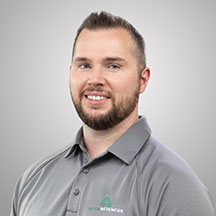 Scott Myslinski began his career in contract drug manufacturing in 2012 and joined Altasciences in 2014 as a Manufacturing Associate.
Screening for Pre-Existing Antibodies to Adenovirus for Nonclinical Gene Therapy Programs
Case Study: How Altasciences Launched a Phase I Study 70% Faster Than the Industry Standard
Clinical trial start-up is a critical phase that carries many risks of delay, that can adversely impact the study timelines and budget. Altasciences was able to achieve an expedited project launch from the typical 12-week start-up process to just 3.5 weeks for a client by aligning our internal team on all objectives, engaging in open dialogue with the sponsor, and optimizing project management by assigning two project leads in two different time zones.