Navigating to the Clinic: Key Aspects of Translational Pharmacology, By Bruce Morimoto
Drug development is not for the faint of heart; a twist on the Hunger Games saying, “May the odds be (n)ever in your favor,” might adequately characterizes the challenge. As scientists, however, we manage these inherent risks by establishing best practices and learning from our collective successes and failures, as well as. In this field, experience truly matters.
So how can we stack the cards to go from the “odds are never in your favor” to one in which we realize the “odds be ever in our favor”? How do we mitigate the risk in the transition from nonclinical pharmacology to clinical efficacy?
Ultimately, marketing approval hinges on a drug candidate’s risk-benefit profile. Risk-benefit is rarely a simple calculation; efficacy must be weighed against safety within the specific context of the patient population and level of unmet medical need. Challenges abound as a molecule traverses the various “stage gates” from initial drug discovery through full-scale drug development.
The transition from hit-to-lead candidate and to lead candidate selection is a rigorous blend of in vitro and in vivo testing. The success of any program depends on asking the right questions: What key information is needed? What go/no-go criteria will be used?
Reflecting on my own career, I’ve seen how these criteria evolve. Nearly 30 years ago, the hot topics in drug discovery and drug development were in vitro metabolism and the hERG channel. At the time, many programs failed due to metabolism issues, and approved drugs were even pulled from the market because of sudden cardiac deaths. The industry rapidly learned to adapt and derisk in these areas.
Today, it is standard practice to incorporate early in vitro assays to characterize the ADME properties of a compound, and to weed out the undesirable hERG blockers before they see the light of day. Of course, every program must begin with a fundamental understanding of the biology of the disease: What is the root cause? Which pathways and mechanisms lead to pathology and/or clinical symptoms? Which biological targets contribute to dysfunction of those pathways and mechanisms? Only then can we determine if intervention can successfully restore function or reduce the pathological burden.
Learning From the Past: Turning Past Failures Into Future Successes
Many drugs fail in development, especially in late-stage clinical trials, due to a lack of efficacy, safety and toxicity issues, poor drug properties, or commercial/strategic reasons such as crowded markets or insufficient patient need. It is estimated that 40–50% of drug failures are due to a lack of efficacy which is often the result of choosing the wrong dose and/or poor translational prediction from animal-to-human.
The drug simply doesn't perform as expected in humans, even if it works in cell models or animals. There are several possible reasons for this: the drug candidate did not reach its biological target; target engagement did not produce the desired effect in humans; there is a mismatch between animal outcome measures and clinical trial endpoints; or the disease is biologically complex.
The ability of an animal model to recapitulate human disease is challenging at best. This is especially true for CNS indications. That said, it is important to remember that there is tremendous value in animal models if the right questions are asked. Animal models are best used to probe and interrogate target engagement, explore mechanism of action, and determine if a particular pathway leads to disease biology. Often an orthogonal approach using multiple animal models is necessary to reconstruct key elements of human disease biology.
Best Practices for Translational Pharmacology
The beginning of any drug development program starts with a basic understanding of the biology of the disease. What is the root cause? What pathways and mechanisms lead to pathology and/or clinical symptoms? What biological targets contribute to dysfunction of those pathways and mechanisms? And subsequently, can we intervene to restore function or reduce the pathological burden?
The key is to set expectations upfront for the drug development program and ensure alignment with all relevant stakeholders. Much has been written about the value of a targeted product profile (TPP), which is helpful and critical for setting expectations and to form a structured and disciplined process for go/no-go criteria.
Below are some additional key elements to an effective drug development program.
1. Target Validation
There are a variety of ways in which a target is validated for a therapeutic indication. Genetics and GWAS studies can help identify a target associated with disease. Importantly, grouping targets based on their biology help elucidate biological pathways involved in a disease. Mapping the target and pathway to disease symptoms or pathology assist in validation.
The Michael J. Fox Foundation recently launched the Targets-to-Therapies (T2T) initiative, to identify and generate data on new targets for Parkinson’s disease. These targets can be categorized into mechanistic pathways, namely, endolysosomal, mitochondrial, inflammation, and protein aggregation. A knowledge base on these targets is available to the public.
2. Pharmacokinetics and Pharmacodynamics
In order for a drug candidate to be effective, it needs to get to the right site of action. For CNS drugs this is often the brain. Therefore, it is important to understand the kinetics of drug concentration (ng/mL or nM) as a function of time and exposure (ng·h/mL) after a particular dose (mg or mg/kg) in the relevant tissue or organ. Anticipated human pharmacokinetics can be modelled from this data with the help of in vitro metabolism studies using human microsomes or hepatocytes.
In addition to total drug concentration, unbound drug concentrations are physiologically important as it often represents drug available to interact with its biological target.
3. Target Engagement
Animal pharmacology and pharmacokinetic studies build the rationale for a particular therapeutic intervention. These animal studies will generate data to understand the dose-exposure-pharmacology with the pharmacological outcomes ranging from modulation of a particular pathway or mechanism to changes in animal behavior.
The risk in translating animal pharmacology to humans is best managed by quantifying the exposure-response relationship and the degree of target engagement required to drive a functional effect. Utilizing a translatable biomarker, one that can be measured across species to bridge nonclinical data with clinical outcomes, is critical for defining the pharmacodynamic (PD) profile and closing the translational gap between animal models and human efficacy.
4. Translation to Clinical Benefit
Efficacy in animal pharmacology studies can range from objective markers, like survival, to complex measures, like behavioral improvements. But how does this translate to human outcomes, symptoms, or endpoints? This is a fundamental challenge in translational pharmacology for several reasons:
- Animal models are designed to be as homogeneous as possible. Specific strains of rodent are used and often introduce a specific disease gene. In treating human disease, however, the patient population is often diverse, and the disease is sporadic (or idiopathic). Although tight inclusion-exclusion criteria aims to narrow the population, it is impossible for a clinical trial population to be homogeneous.
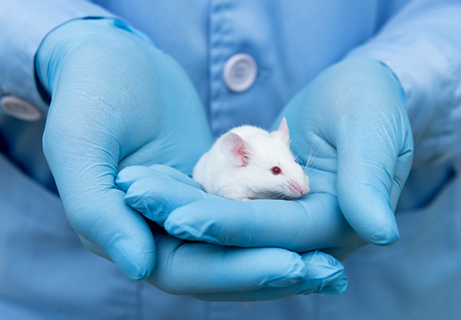
- There are some clinical symptoms that are impossible to map to animals, for which imperfect surrogates, like head twitch for hallucinogenic activity or forced swim test for depression, are utilized. Likewise, there are animal behaviors in which there are imperfect human correlations, such as piloerection in rodents.
- Differences in anatomy and physiology can also complicate translation. In the context of drug delivery, sweat glands in the skin can differ between animals and humans, which can affect transdermal absorption. The nasal cavity (size and shape) is also different between animals and humans, adding translational complexity for intranasal delivery.
In recognizing the strengths and limitations of animal models, these models can be used best to define dose-response in the context of pharmacological mechanism. The objective is not to overinterpret or over-extrapolate animal pharmacology, but to use it as the basis for a hypothesis of what changes could be expected in human pharmacology and in clinical trials.
Summary
Managing risk also involves gathering sufficient data to interpret failed studies and develop new hypotheses to move another project forward. The foundation of drug development resides in the scientific method: generating a hypothesis, designing comprehensive experiments and then confirming, refuting, or modifying the approach based on the data.
Therefore, a more thorough understanding of disease biology and the richer the characterization of a drug candidate’s nonclinical pharmacology will allow the odds to be ever in your favor.
I would be remiss if I didn’t acknowledge and thank all my mentors and colleagues from whom I’ve had the privilege to learn and grow. Being able to tap into biotech, pharma, and CRO networks and communities have been key to my professional growth and development.
About the Author: Bruce Morimoto, PhD, Drug Development Advisor
Bruce Morimoto has nearly 30 years of industry experience in leading project teams in the development of innovative medicines, providing guidance in the design and execution of nonclinical, clinical, and regulatory strategies with a therapeutic focus on CNS indications, including Parkinson’s, Alzheimer’s, ALS, and frontotemporal dementias.
Bruce is currently an advisor to several biotech companies helping to move their programs through clinical development and drug registration, and works closely as a scientific advisor to the Michael J. Fox Foundation, chairing one of their scientific review panels. Previously, he held leadership roles at Alto Neuroscience, Cerecin, Alkahest, Celerion, and Allon Therapeutics.
Bruce started his career in the faculty of the Chemistry Department at Purdue University, IN, where his independent research focused on neuronal signal transduction. Bruce earned his doctorate in biochemistry from UCLA and completed a postdoctoral fellowship at the University of California, Berkeley.
Connect with Bruce on LinkedIn
FAQ:
What is translational pharmacology in drug development?
Translational pharmacology links nonclinical findings to clinical outcomes by integrating pharmacokinetics, pharmacodynamics, and target engagement to inform dose selection and study design.
Why do drug candidates typically fail during clinical development?
Many failures are due to lack of efficacy, often driven by inadequate target validation, poor dose selection, or limited translation from animal models to human biology.
How can animal models support clinical translation?
Animal models help evaluate target engagement, mechanism of action, and dose-response, but must be used with appropriate endpoints and an understanding of their limitations.